
When automation takes over a task, human skill and attention quietly erode. A reminder that every interface either keeps the operator sharp or lets them drift.
The papers, books, and tools behind the work: human-machine trust, autonomy, and interface design for AI systems.
When automation takes over a task, human skill and attention quietly erode. A reminder that every interface either keeps the operator sharp or lets them drift.
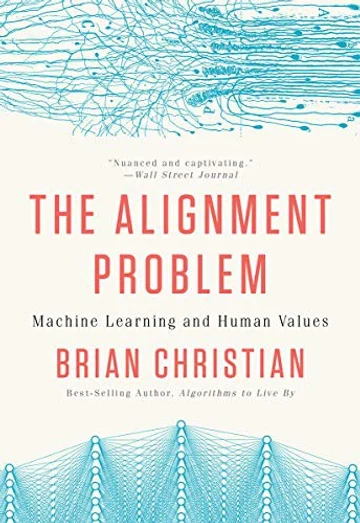
Why getting AI systems to do what people actually intend is so hard, told through the researchers working on it. Context for why oversight and legibility matter.
Pittsburgh
Location
40.4406, -79.9959
Current Time
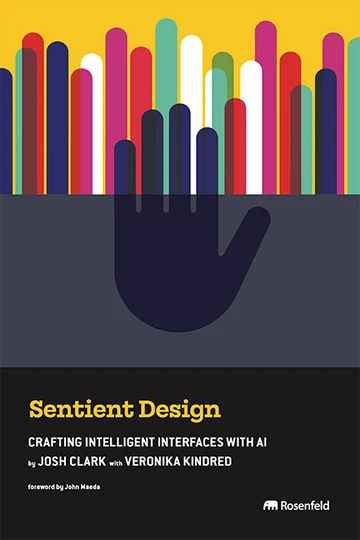
The clearest current framework for designing with machine intelligence instead of around it. The principle that matters most for physical AI is deference: the system suggests, the person decides.

A strong example of making machine behavior legible. The trace reads as a conversation instead of a tree of technical events, and failures can be described in plain language and tracked across every run. Trust in an agent means being able to follow what it did and why.
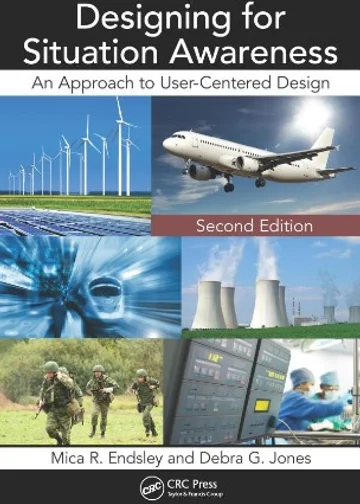
A practical model with three levels: what's happening, what it means, and what happens next. A strong test for any operator display is whether it supports all three.
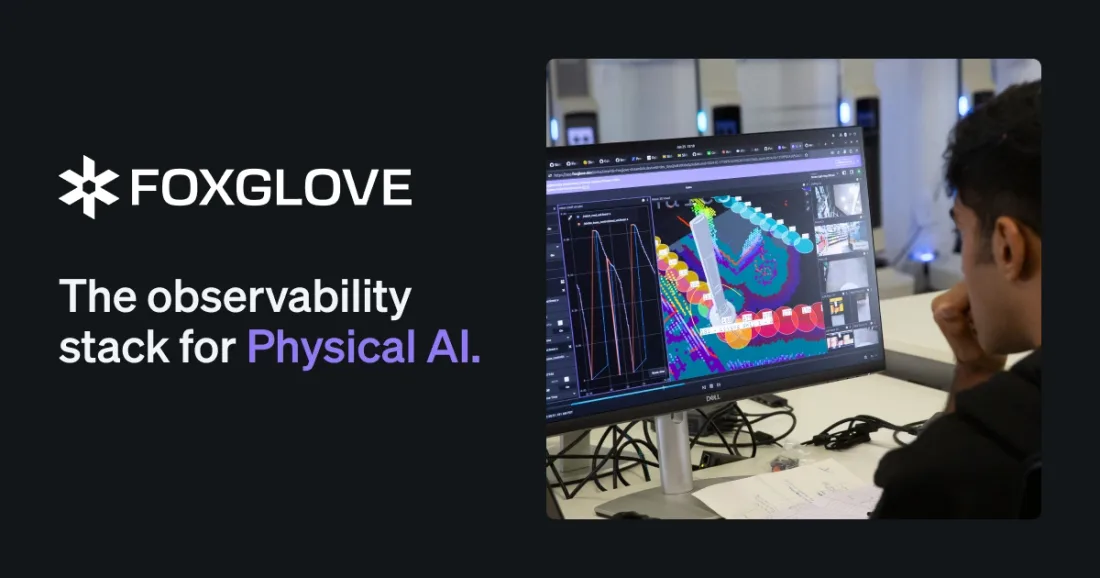
Before an operator can trust a robot, someone has to be able to reconstruct why it did what it did. Foxglove puts every sensor stream on one synchronized timeline. The same principle belongs in operator interfaces: show the moment, the data, and the decision side by side.
Progress comes from new systems replacing old ones. Every wave of technology destroys the way things were done before.
On "creative destruction", Joseph Schumpeter, Capitalism, Socialism and Democracy, 1942
Lisanne Bainbridge · Automatica, 1983
Automation leaves people the hardest parts of the job: monitoring for rare failures and taking over when things go wrong, with skills that have gone rusty from disuse. Written in 1983 and still the clearest statement of the operator's dilemma.